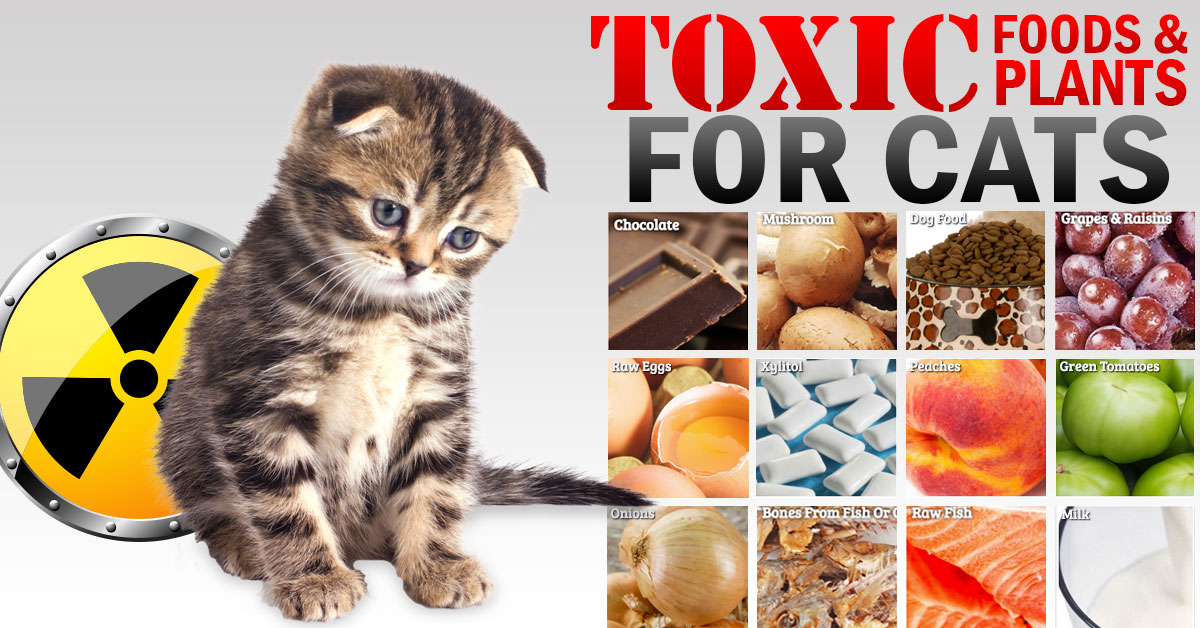
Giving your cat any table scraps or tidbits of human food is a dangerous practice that should not be encouraged for multiple reasons. Any food not specifically designed for cats can affect the digestive system, causing vomiting, diarrhoea, or loss of appetite.

Foods Poisonous To Cats Poisonous Plants For Cats Your
These plant foods can irritate the stomach and damage red blood cells.

Can cats get food poisoning. Even small doses of toxins can be poisonous in small. This is due to several factors, including: A sugar substitute that harms cats and dogs.
Your cat can easily contract any of these ailments by eating, biting, or playing with an infected mouse. These foods are typically poisonous when eaten in large quantities, but exposure to concentrated forms of onion or garlic, such as onion soup mix or garlic powder, can also be toxic. Gum and candy that contain xylitol.
Vomiting and diarrhea are the first signs that your cat may have food poisoning. Pet food laws are lax. Any food not specifically formulated for cats can affect the digestive system, causing vomiting, diarrhea, or loss of appetite.
Items that cause food toxicity in dogs include: Take your cat to the vet immediately if you think she’s ingested even trace amounts of alcohol. Cats can also get secondary poisoning from eating a mouse that’s been exposed to pesticide, which can be fatal.
Unfortunately, health laws for meat and fish in pet foods are much more lenient than they are for human foods. Cats can not only get drunk, but it can also easily cause severe liver and brain damage. While poisoning in cats is no more common than poisoning in dogs, it can often result in more severe symptoms.
Toxic substances can be inhaled or absorbed through the skin also. If your cat is poisoned, call your emergency vet right away. Only ever give your cat medication your veterinarian has prescribed and never give medications to other animals or humans.
It is not normal for your cat to have these symptoms. Mice are carriers of disease, bacteria, and parasites. Rodenticides (rat or mouse bait):
Common foods include onion, macadamia nuts, garlic, tomato, and chocolate. Tea, coffee and energy drinks. Cats with symptoms of lethargy, weakness, reduced appetite, pale gums, and orange to dark red urine should be taken to the vet immediately.
Certain foods, especially human foods, can cause toxicity in cats. Raw meat—while not actually toxic—can actually give cats food poisoning much like humans, from both e.coli and salmonella. Raw eggs, raw meat & bones.
If your cat suddenly exhibits these signs after eating the same food it always has, there may be a problem. These human foods can cause serious illness in your cat. Alcohol is not safe for your cat.
It occurs when an animal ingests tainted food. Salmonella poisoning can be facilitated by direct ingestion of infected food, but contact with raw food sitting out on the counter or contaminated surfaces are enough to spread the bacteria. Other common sources of poison to cats include:
A large amount of caffeine can be fatal and lead to death. Rather, the usual procedure is to give the cat supportive care until the toxins are metabolized out of his system. Common household items, plants, foods, medications, and chemicals can all spell disaster if your cat comes into contact with them.
The sooner that you have your cat checked by a veterinarian, the better the results will be. Some of the most common foods to cause poisoning in cats include: Not all poisonings are fatal.
Foods that cats can’t eat include: Poisoning in cats is a serious problem. A sliver of turkey or chicken from your dinner.
The fda has not established toxic levels of heavy metals in pet foods. Rodenticides, if ingested, can cause severe symptoms and may be fatal. These are a common cause of cat poisoning and most people don't realise that eating a poisoned rodent can also poison your cat.
First, cats need the nutrients that are specifically provided for them in good, premium cat foods, and any extras that they consume will take away their appetites for their regular meals. Cats should never drink coffee or tea. Botulism is a type of food poisoning caused by bacteria.
Seizures, tremors or involuntary muscle twitching Cats can be exposed to poisons not just by eating them; Raw eggs, raw meat and raw fish.
Most poisons do not have antidotes; Your cat doesn’t need to be barred from hunting. Medications such as aspirin, paracetamol, ibuprofen.
Alcohol can cause serious issues for your cat, including vomiting, tremors, coma, and even death. An enzyme in raw fish also destroys thiamine. A small dose of caffeine can cause restlessness, rapid breathing, tremors and heart palpitations.
Coli, from raw or undercooked foods. Some human foods can even cause serious health complications, which is why it is always best to discuss your dog’s diet with your veterinarian. Recognize the symptoms of poisoning.
Raw or undercooked eggs, meat or fish — your cat can get food poisoning from bacteria, such as salmonella or e. A cat may be suffering from poisoning if any of the following general symptoms are observed: These baits are designed to attract animals so consider the use of.
The most common cause of botulism in cats is ingesting a found carcass, raw meat from inside the home, or items from the trash. The signs of lead poisoning include vomiting, abdominal pain, reduced appetite, diarrhoea, unbalanced walking, convulsions, blindness and tremors. Caffeine found in coffee, tea, chocolate, colas and even cold medicines can be very dangerous for your feline friend.
If a cat licks an area which has not been cleaned properly, it is possible for transmission to take place. Decomposing carrion, garbage, spoiled food, compost, and moldy items can be sources of the bacteria. The fish and shellfish found in many cat foods are the main source of mercury exposure in felines.
There are many human foods that can cause gastrointestinal upset in dogs without actually being food poisoning.
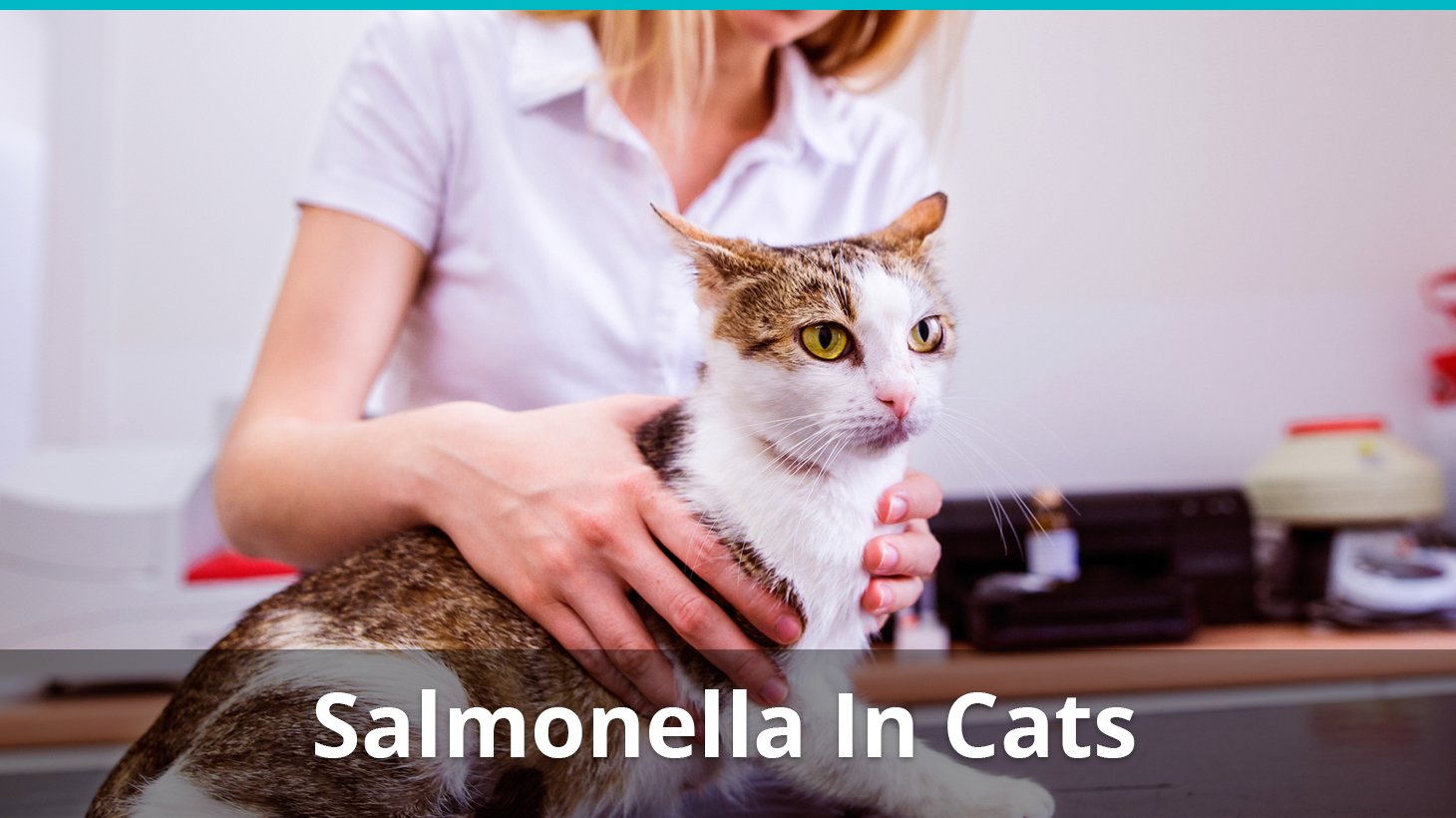
Salmonella and Food Poisoning In Cats Symptoms, Causes
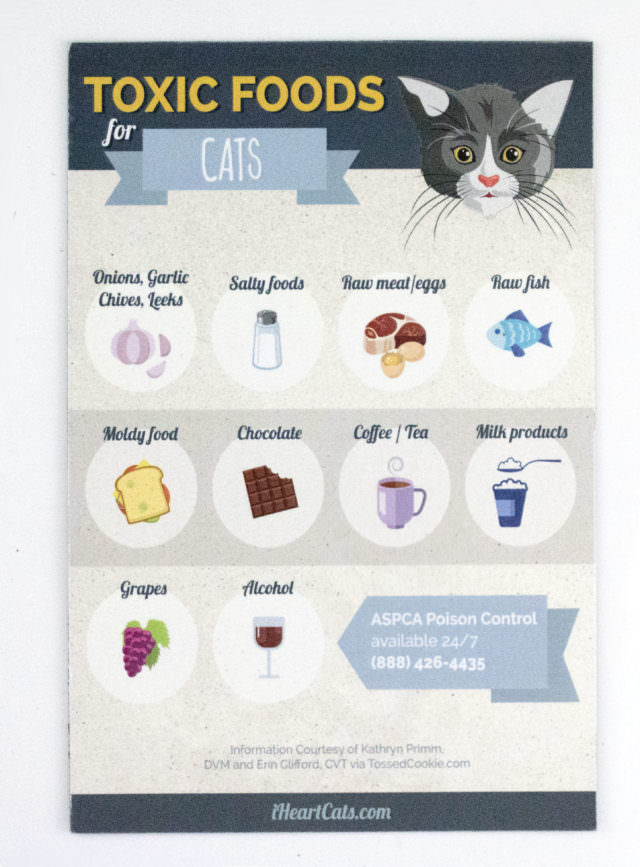
Toxic Cat Foods
Salmonella Infection Symptoms In Cats Can Cats Get
Salmonella Infection Symptoms In Cats Can Cats Get
Toxic Foods and Plants for Cats