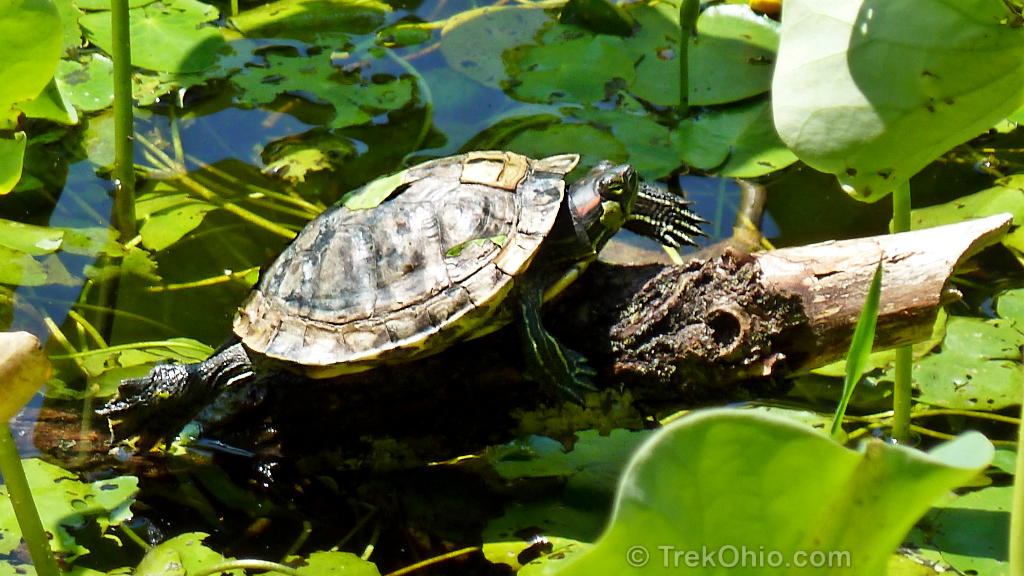
Turtles may eat the shed peel. As the turtle grows, the epithelium produces a new scute beneath the old ones that is a larger diameter than the one layered on top of it, allowing the shell to expand.
MidlandPaintedSheddingScutes Natural Crooks Ramblings

In my photo there is a front scute that’s a lighter color, almost a light brown, toward the front of the shell.

Scute shedding in red eared turtles. As such, it is a process that is experienced by all reptiles. He’s shedding scutes and i want to make sure it’s healthy…. Area beneath the scute that appears to be red, bloody or exposed bone
The res originates from america where it lives in deep, mud lined ponds with few rocks. A larger turtle that's growing more slowly will shed scutes less frequently and for me, it will take longer for them to come off. The turtle will get rid of the pain by itself.
The shell of a res should be hard and relatively smooth. Seeing pink or red coming through the plastron or going along the scutes of the carapace, is a typical sign of septicemia, but not always. Shedding the scutes piece by piece rids the turtle of shell rot and parasitic infections that can occur as a result of being too much in water.
This eventually goes away in time and is of no health concern. It comes from top, bottom, edges, sides. We have a red eared slider turtle and she's not eating, not.
It is normal to have a small amount of algae on the shell. Abnormal shedding (why is my turtle shedding?) there are some conditions that force the turtle to shed its scutes more often than normal. After ecdysis, the new shell or skin should be bright, colourful, and clean.
The shell is composed of keratin, not. It seems to be raised above the surrounding scutes. A turtles shell is made up of bone covered with a thin layer of skin, which gives the shell its colour.
It should not be pitted, soft (unless a juvenile), cracked or bleeding. Many aquatic turtles regularly shed the outer layer of their shells. If well taken care of, the scutes should peel off, but may come off as flakey pieces that peel when they bask
Scutes come holistically, not in parts. Shell rot or “septicemic cutaneous ulcerative disease (scud)” is a common problem in aquatic turtles and some reptiles because of all the time they spend in the water. This renewal of the outer layer of keratin allows for growth, but also helps slough off algae and dirt.
The scales on their shells,called scutes, are not supposed to come off and will almostcertainly. If it stays attached, do not pull it off, as this can cause damage to the underlying tissue and it will be painful for your turtle. Scutes coming off completely as a whole and properly but not in parts.
Why does my turtle have pink skin? Some turtles, such as the south american river turtle lend each other a hand, well, specifically their jaw, in the shedding process by pulling loose scutes (and algae) off each other's shells [source: We have a red eared slider turtle and she's not eating, not swimming and she has 2 black spots on her shell.
Scute shedding is used to clean and clear a turtle’s shell of any blockage or infection. All turtles shed their skin, and most aquatic turtles also shed their scutes. The shed scute is thin and translucent, it will look like a cover of the shell.
Red eared slider shell shedding symptoms. How do you i known if my red eared slider turtles shell is healthy. An aquatic turtle shedding its scutes as it grows is completely normal but there are some things to watch out for.
The outer layer of skin is called a scute, is shed once or twice a year and not as tough as it looks. Shedding skin is a natural process that occurs just like when a turtle sheds its scutes. My turtle has barely been shedding his scutes over his 15 years of life and he looks like this.
Turtles do not shed their shells. The turtle’s shell is subdivided into sections called scutes. My res (nine years old) didn't fully shed this year.
While basking is one way turtles raise their body temperature, it helps them shed scutes by drying them up, leaving them ready to fall off. The carapace (top) should be dark green and the plastron (bottom) should be bright yellow. Her skin looks healthy other than the consistent shedding, no redness or swelling.
Turtles’ shells can regenerate if a scute is harmed or lost of sorts. The thin outer lamina of each scute (section) loosens and falls off. This can lead to scutes shedding.
Consult with your veterinarian if you observe any of these concerns: My red eared slider has been excessively shedding skin. If you've noticed your turtle shedding on its shell, it's likely that the pieces of this hard layer—called scutes—are preparing for new growth.
Can a red eared slider turtle shed on its shell, if so will the skin on the shell that is shedding feel hard or soft when the turtle is dry? I've adjusted the temperature (although the water is often a little cold), changed her diet, and given her. He's generally in good health.
When they shed, the scutes pretty much come off within days. (though it is normal, the owner. Turtles will often shed the scutes (top layer of shell) while they are growing.
Furthermore, a turtle’s shell will peel when it is hurt or damaged. My painteds, which are younger (about 6 years), have been shedding once a year. Scutes that are shed are paper thin, and come off in a single, almost transparent layer.
Females, in particular, will get fairly large, and then begin shedding their scutes. I learned about general shell health and how turtles shed their shell, and when i saw images of red eared sliders online i noticed a massive difference in their shells. Some signs will indicate when this process is about to occur.
This is perfectly normal and should be allowed to progress naturally, with no intervention. If the skin is unhealthy you will likely notice that it appears red and swollen.

Is this normal shedding or shell rot ? EMERGENCY CARE
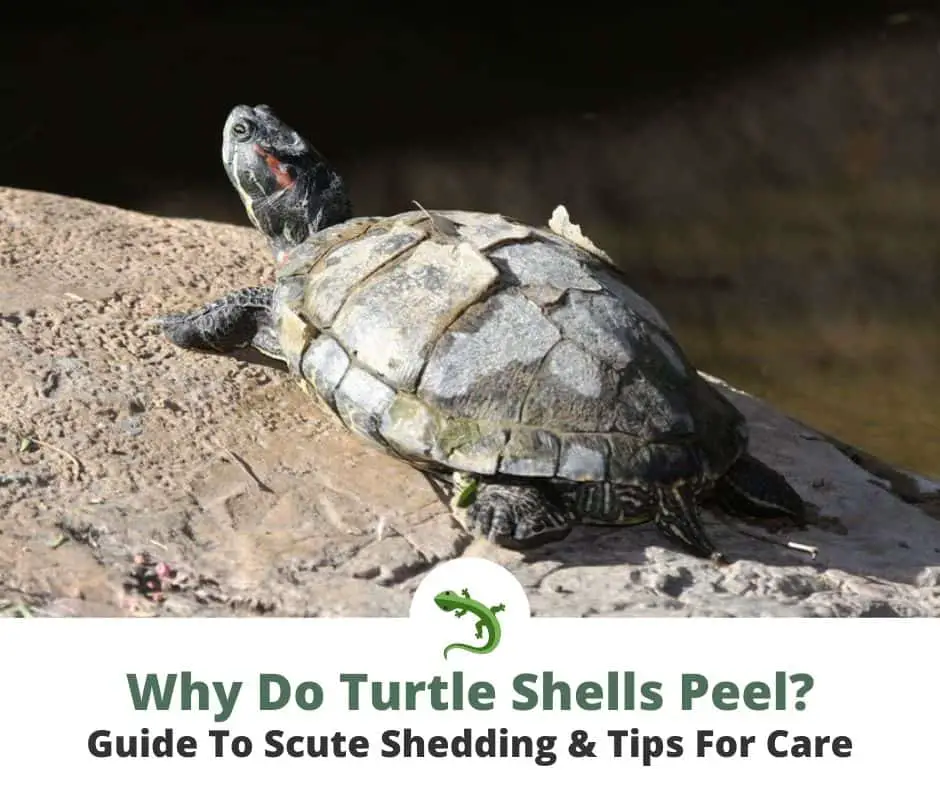
Turtle Shell Peeling Why Does This Happen? ReptileKnowHow
General Care of Aquatic Turtles CHICAGO EXOTICS ANIMAL
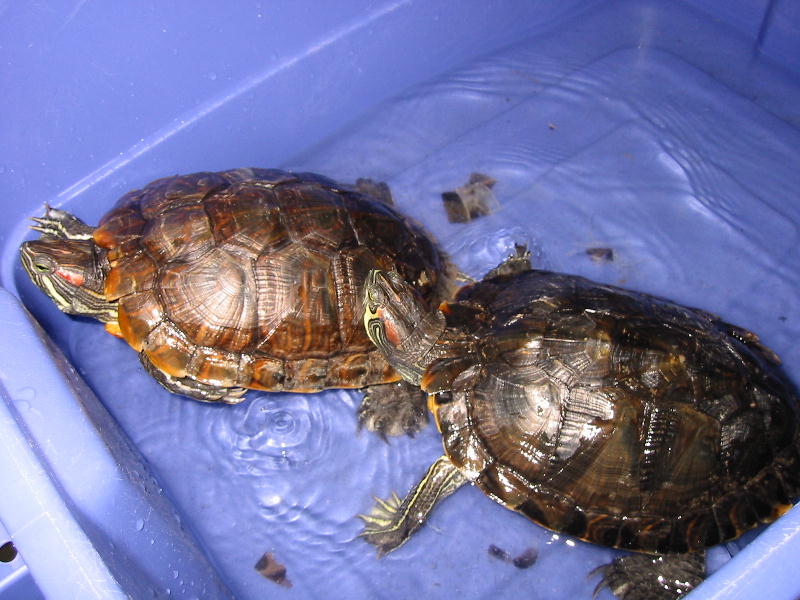
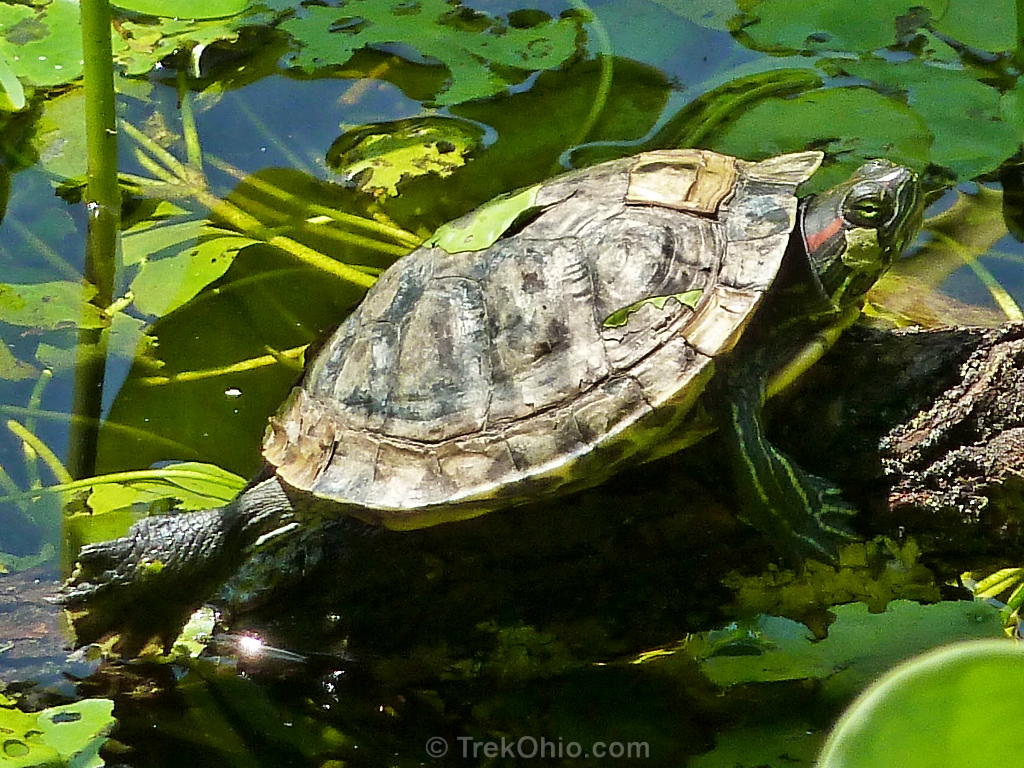
Wild Turtle with Shedding Shell TrekOhio
Wild Turtle with Shedding Shell TrekOhio