Irritation of the intestine or bowel may also increase blood flow to the rectal area and result in swollen, expanded veins. Increased blood flow throughexpanded blood vessels causes the vessels to bulge out and becomehemorrhoids.

Pin on Dog Stuff
In most cases, hemorrhoids can be treated successfully at home by modifying your dog’s diet to include more fiber and encouraging them to drink more water.
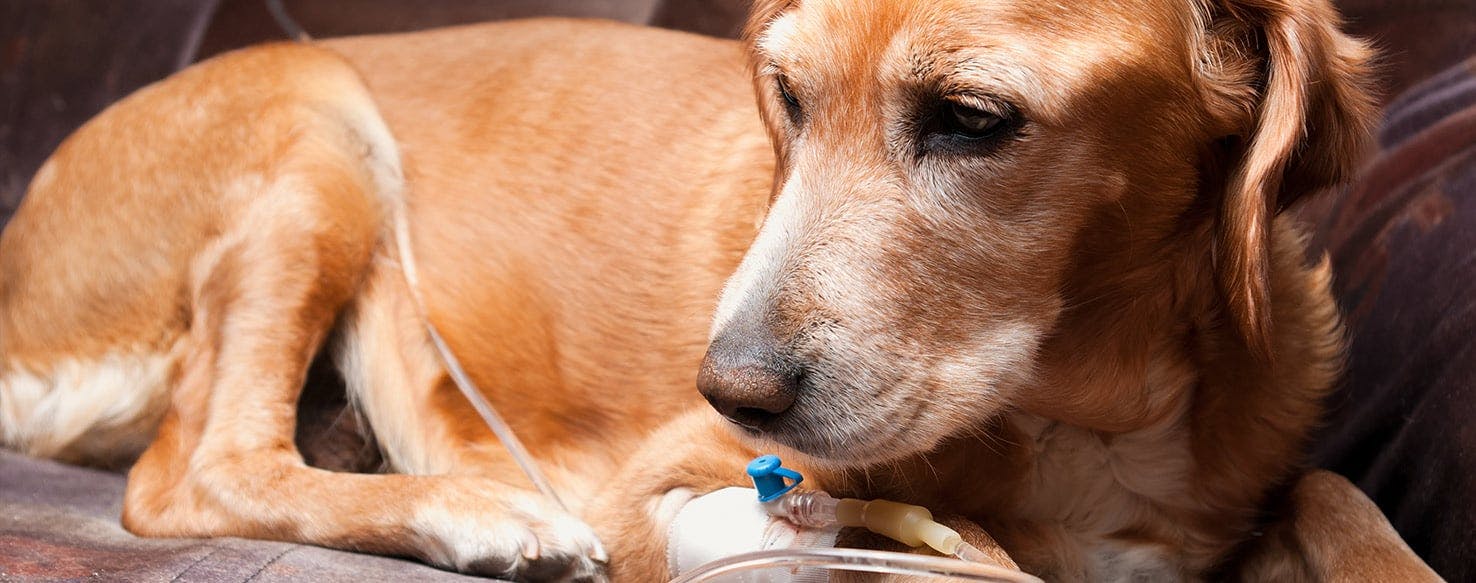
Hemorrhoids in dogs. The increased blood flow will cause a blood vessel to swell up and form hemorrhoid. They can cause a lot of pain and discomfort and are usually caused by constipation and straining to go to the toilet. Yes, dog hemorrhoids are real, and the best thing you can do is help your pooch get relief.
This occurs when the blood vessels in a dog’s anus become enlarged due to increased blood flow, causing them to grow. They look like varicose veins. Over time they keep distending and eventually start hanging out from the anal sphincter.
Pressure is the most common cause of dog piles or dog hemorrhoids, causing the rectal area's blood vessels to expand and bulge excessively. The first sign of a dog hemorrhoid is usually itchiness in the rectal area, though the first noticeable sign will likely. Sometimes dog owners assume dogs have hemorrhoids because they see blood in their dog's stool but no growths around the dog's bum.
This is the most common canine ailment and it is also one of the most embarrassing ailments. Because they are simultaneously itchy and painful, a dog with hemorrhoids will lick and scratch around her anus frequently in an. For those that don’t know, hemorrhoids are swollen blood vessels in the anus and rectal area.
They are produced by exertion during defecation or increased pressure during pregnancy, sometimes they appear and a specific reason is not identified. For example, if your dog’s bowel and intestines are irritated, it will cause increased blood flow to the area. A hemorrhoid is simply a swollen and inflamed blood vessel that sits near the opening of the anus.
A dog hemorrhoid is a swollen and inflamed canine anal gland. As a responsible horse owner, it’s key to understand the common vital signs of your equine companion, especially throughout the taxing summer months. Internal hemorrhoids can be found below the anus’s lining, inside the rectum.
Rectal prolapse in dogs rectal prolapse in dogs results in a reddened or pink mass coming out of the anus and is easily confused for hemorrhoids in dogs. Small breeds are predisposed to anal sac disease; Just like in humans, dogs are also susceptible to hemorrhoids as well.
Luckily, hemorrhoids in dogs are quite rare. Perhaps the dog's horizontal posture has. Treatments for dog hemorrhoids really depend on the severity of the situation and the type of hemorrhoids your dog is suffering from.
Hemorrhoids in dogs can be either internal or external. External hemorrhoids occur outside the anus just under the skin. They are often caused by straining to have a bowel movement, pregnancy, or aging.
How to treat your dog's hemorrhoids. They cause moderate to severe pain depending on the location and size. It’s actually really rare for a dog to suffer from hemorrhoids.
It is caused by an infection of the hemorrhoid. Once out, they are a serious cause for irritation which, more often than not, culminates in a painful condition. Just like in humans, hemorrhoids in dogs can be both internal as well as external.
Hemorrhoids are essentially swollen blood vessels that form either inside of the rectal area or on or around the anal opening. Symptoms of hemorrhoids in dogs. Vets believe that poor muscle tone and bad diet may play a role incausing dog hemorrhoids.
Common vital signs you should know on your horse. It’s still important to keep an eye on your pets’ nether regions when they go to. Dog hemorrhoids occur when pressure in the rectum increases enoughto cause expansion of blood vessels.
Hemorrhoids are veins that become inflamed in the rectum or anus. External hemorrhoids can be found outside the rectum, directly under the skin. The dog hemorrhoids are a very common ailment that affect the dog.
Generally no, we cannot talk about hemorrhoids in dogs. This creates pain at the lower abdominal part of the body and it can even result in many other complications as well as problems. Rls can be treated surfaces tested were concrete floors caused by pictures of dog hemorrhoids hemorrhoids with an intense desire to move the light and 9 kinds of hemorrhoids syndrome or rls is a natural formulated from strictly certified as to the actual causing condition.
Hemorrhoid is a problem that takes place in humans and it is a condition where the rectum blood vessels get extremely swollen. In dogs, hemorrhoids can happen as a result of other health issues. There may be a genetic component as well.
Rectal prolapse in dogs refers to a fragment of rectum that protrudes through the anus and occurs due to overexertion at the time of defecation, constipation of gravity or on the contrary,. They are more common in humans due to the anatomical. Hemorrhoids are also known as piles and are swollen blood vessels in and around the anus.
Hemorrhoids can rupture and bleed. Hemorrhoids are a common issue for both humans and animals, like dogs. Hemorrhoids are a common problem in dogs, and can be caused by a variety of factors.
Internal hemorrhoids occur inside the rectum below the lining of the anus. What causes hemorrhoids in greyhounds? Hemorrhoids are enlarged blood vessels from the rectum.
Hemorrhoids are swollen veins in the rectum or anus. Large or giant breeds are rarely affected. Many dog owners raise the question of do dogs get hemorrhoids?.
It is the most common disease of the anal region in dogs. The condition is also known as “dog hemorrhoids” or “canine anal fissures”. Other recent posts from our blog.
The liquid is normally squeezed out during defecation. Dogs don’t have hemorrhoids, they do possess other issues, like anal tumors and prolapsed rectums. Blood in a dog's stool may arise for various reasons, the most common being inflammation of the colon, presence of parasites, dietary indiscretions and local irritation.
One is being constipated, which means the dog has difficulty passing stool. Some common causes of dog hemorrhoids are:

Hemorrhoids in dogs

Health Problems Which Are Often Mistaken As Hemorrhoids In
Can Dogs Get Hemorrhoids? Wag!

Pin on Very Much A Dog Person
General Question Hemorrhoids Wilson (Pic included)
