Bloodthirsty ticks can be difficult to spot once they’ve buried themselves into your pet’s fur and latched onto the skin. If you removed the tick fairly quickly, however, you can just watch and wait to see how your dog does.
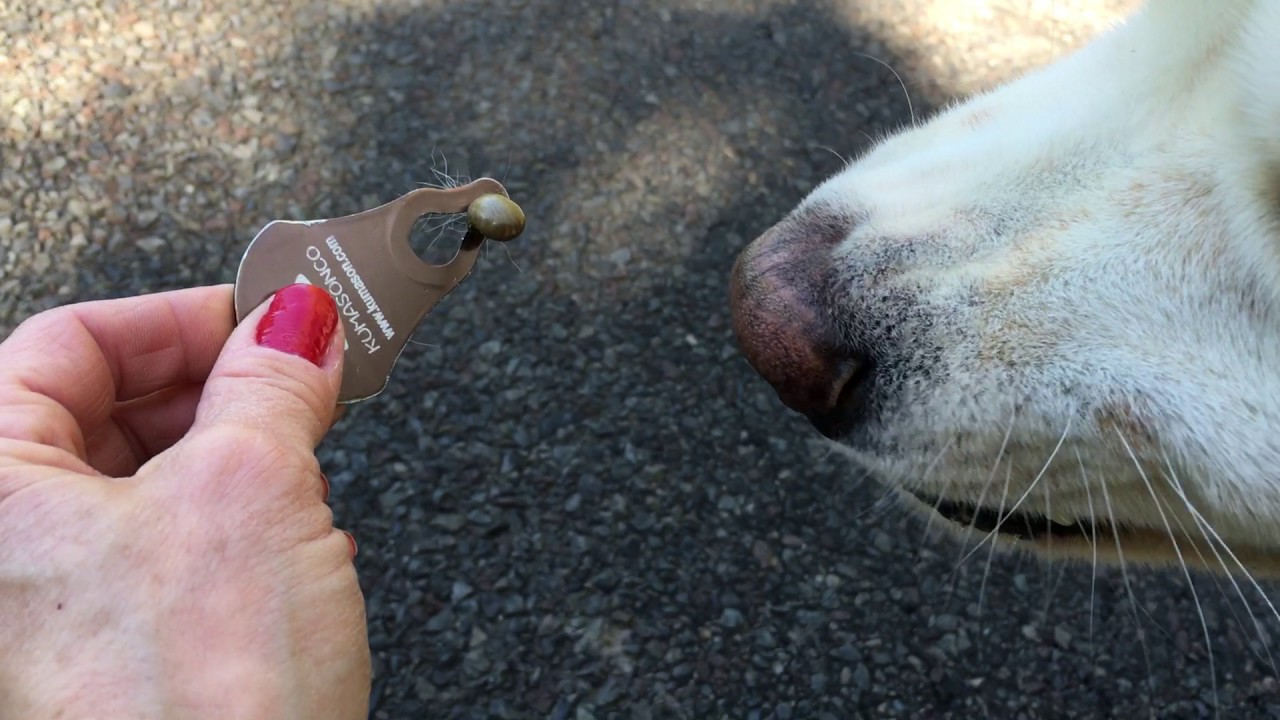
Removing Tick From Akita Dog 5_9_17 YouTube
Check your dog after hikes, trips to the park, and outdoor playtime.
Tick on dog buried. Spread your dog’s fur, then grasp the tick as close to the skin as possible. This will prevent the tick’s mouth from breaking off and remaining embedded in the skin. How to get buried tick out of dog make sure you can easily see the tick part your dog’s hair around the tick with your fingers.
Dab some disinfectant on your dog on the bitten area, being extremely careful if you’re around your dog’s eyes.kill the tick by. Once a tick is embedded into a dog’s skin, it might look like a raised mole or dark skin tag. Once upon a time, a tick and a dog sat together on a green field.
The best way of preventing ticks from getting under your dog’s skin is to regularly groom your pet carefully. Use a pair of tweezers to grasp the head of the tick where it attaches to the skin. Grab hold of the tick place the tweezers around the tick, as close as you can get to the skin.
If the head is buried, use cotton swabs to apply insect repellent directly to the body of the insect. Tools you’ll need to remove a tick.to remove a tick safely, you’ll need these supplies: And the video will melt your heart.
If you find a tick or ticks on your dog, you need a way to remove the parasite quickly but safely and then to. Pull on the tick gently and steadily. If you do find a tick on your dog, it’s important to know how to safely get ticks off dogs.
How to get a tick off a dog: Sometimes, tick removal can decapitate a tick, removing the body but leaving the head buried in the skin. Applying apple cider vinegar to the head of the tick or the area of the skin where the tick is buried will cause it to release the dog so you can remove it and either dispose of it or kill it.
What that does is cause the tick to back out of the animals skin and you can remove it. Typically, the bite wound will swell and take approximately one week to heal. Gently pull the tick off.
Blend about two lemons with about 15 tablespoons of the apple cider vinegar and about 15 mint leaves in warm water and then let the mix settle. People often believe it’s the head of the tick that embeds in the skin. Spread your dog’s fur, then grasp the tick as close to the skin as possible.
You thus need to exert caution when you pull out the tick, so that you don't leave its head in your pet's body. Clean the area with a small amount of rubbing alcohol. Grasp the tick with tweezers close to your dog’s skin.
Use the extract on tick to get rid of ticks on dogs. If you find a tick on your dog, don’t panic and remove it immediately. Very gently, pull straight upward, in a slow, steady motion.
With gentle, steady, and even pressure pull the tick straight off. How to get buried tick out of dog? It is also important not to squash the body of the tick while it is still attached.
Follow this guide to learn how to remove a tick from a dog and dispose of it properly. To remove a tick, follow these steps: Wait 15 minutes, as the repellent will cause the tick eventually to release its bite.
Use a clean pair of sharp pointed flat tweezers to gently grasp the head of the tick where it attaches to the dog skin. Ticks vary in size and the head of the tick is generally buried under the pet's skin. Once the tick is out, make sure to clean it with rubbing alcohol if not, use disinfectant on the bitten area as long as it is nowhere near the dog’s eyes.
Since most pets don't like the tick removal process, you need to keep a few. Locate the tick on the skin and note if its head is completely buried under the skin or is still visible on the surface. If you don't use the right technique to remove ticks from the dog's body you might also end up hurting your pet.
Although dead ticks are less dangerous and risky than live ticks as discussed above, they can still cause harm to your dog’s skin if left buried in the skin. Yes ticks can bury themselves under the skin.you could try a baking soda paste and put it on the dogs skin and see what happens. Tick mouthpieces are buried in the skin, and incorrectly removing a tick can leave these parts within the skin surface, leading to infections.
If the dead ticks are left embedded in your dog’s skin for a long period of time, it can cause your. Quickly, the tick buried itself inside the skin of the dog and began to suck the blood of the dog. See also how does frontline work on ticks simply dissolve epsom salt in water.slowly begin to pull the tick out from your dog’s skin in a steady motion.spread your dog’s fur, then grasp the tick as close to the skin as possible.
Very gently, pull straight upward, in a slow, steady motion. Correctly removing an embedded tick from a dog is a delicate procedure as a. Tick prevention using products and regular grooming.
If your dog is especially hairy, part the hair carefully to watch out for embedded ticks. If the tick had been buried up on your dog for a long time and had become engorged, it’s probably a good idea to go ahead and book a vet appointment for a full checkup. “if a tick’s mouthparts remain after the tick has been removed, you have two options.
Apart from providing a cooling sensation, it is very effective remedy for removing ticks on dogs. Steadily pull out the tick’s head gently and swiftly to avoid the tick vomiting infections into your body. The problem is ticks can transmit infectious diseases, such as lyme disease, which can cause serious symptoms in dogs (this disease can also affect us if we get bitten by an infected tick).
For an overview of why we want to get these pests out, go to the tick talk page. Use the magnifying glass if necessary. Gottesman, ph.d., rn, cpnp, faan of the ohio state university:
Larvae, nymphs, and adults transmit disease. Under their arms and legs. Otherwise, it is best to use the tweezers method of tick removal for removing ticks buried in the dog’s paw or skin.
Regular tick checks are essential.

Ticks on dogs and cats The Veterinary Nurse
Tick bites and Lyme disease Forums Home


Andrew, Jonathan & Alexander Fun in the Sand and a Tick

So You Found A Tick On Your Dog, Here's What You Should Do

Tick Talk What You Need to Know About Ticks and Your Dog