Signs, symptoms, and diagnosis of hyperthyroidism in cats. Men with testicular cancer can also have a feeling of heaviness or aching in the.
Testicular Cancer in Dogs
The symptoms of hyperestrogenization as caused by a sertoli cell tumor include the following:

Testicular cancer signs dog. One of the first signs of trouble suggesting testicular cancer is one of the dog's testicles appearing more swollen and larger than the other. If the dog is cryptorchid, the swelling will occur in the groin or abdominal area depending on the location of the testicle. For example, soft swellings might appear in either one or both of the testicles.
Your pet may lose weight; Some dogs do, however, and these vary depending on the type of tumor and the tumor location. Generally, these swellings are not painful.
Sleeping and resting respiratory rates in. Signs of testicular cancer in dogs testicular cancer sometimes doesn’t have any obvious clinical signs, except for masses in the scrotum region or generalized swelling of the scrotum (testicles). Sertoli cell tumours show signs of swelling of the testicular and scrotal area.
Sertoli cell tumors can sometimes produce an excessive amount of estrogen, a female hormone. There are three different types of common testicular cancers that can affect dogs, each of which have slightly different symptoms and appearances. The undescended testicle is likely to show signs of sertoli cell cancer.
Palpation (feeling with the fingers) of the scrotum may reveal a nodular enlargement of the testicle, unevenly sized. You or the veterinarian may notice swelling, a change of color or texture of the testicle. Most dogs with testicular tumors do not have any obvious clinical signs.
Testicular tumours often produce abnormally increased. Most often, the first symptom of testicular cancer is a lump on the testicle, or the testicle becomes swollen or larger. In addition, there could be an atrophic penis;
What are the signs of testicular cancer in dogs? Frequent licking at this region with no other symptoms present; Thrombocytopenia in dogs and cats.
This is the process that occurs when the cancerous cells stimulate production of excessive estrogen in your dog's body. Suspicion of testicular cancer in dogs starts with visual evidence. Enlarged nipples and mammary glands, hair loss, and.
Any intact male dog that has testicles that are uneven in size, with the larger one hard and irregular, is a strong suspect for testicular cancer. Skin changes may become apparent; Typically, up to 14 percent sertoli cell tumors in dogs are malignant and will metastasize to surrounding lymph nodes in the body and other organs.
If the dog is cryptorchid, the swelling will occur in the inguinal or abdominal area depending on the location of the testicle. The result is a set of symptoms that are related. Dogs over 8 years are prone to develop prostate cancer.
The signs and symptoms of sertoli cell tumors include: There may be a lump in the affected testicle and the swelling at times also involve the scrotum, abdomen an inguinal area. Tetanus in pets (lock jaw) the wrath of grapes.
Sertoli cell tumors show symptoms of swelling of the testicular and scrotal area. Sertoli tumors can produce estrogen and cause hyperestrogenism (higher levels of estrogen), which results in signs of feminization; In addition, your veterinarian may be able to feel subtle changes that could indicate the presence of a tumor.
How do you know if your dog has testicular cancer? Testicular cancer is both an easily recognized and diagnosed disease. Local changes are the clinical signs that you can notice in a dog that has testicular cancer.
Dogs suffer from other symptoms such as weight loss, abdominal pain, loss of appetite, or a mass in the belly region. Clinical signs warning signs of testicular tumors include soft swellings in one or both testicles, a single. There may be blood in the urine (hematuria) there could be shrinkage and then an atrophy of one or both of the testicles;
Interstitial, sertoli and seminoma tumors. If you think your dog may already have testicular cancer, there are a few signs and symptoms that you may want to look out for: Finally, weight loss without any other apparent signs of illness is a very important finding and can be an indication of cancer.
(it’s normal for one testicle to be slightly larger than the other, and for one to hang lower than the other.) some testicular tumors might cause pain, but most of the time they don't. Prostate cancer is more common in intact males. The clinical signs may be limited to the presence of a mass (or masses) within the affected testicle.
Up to 50 percent of the sertoli cell tumours will produce oestrogen, and the dog will suffer signs of ‘hyperoestrogenism’. However, it can occur in intact male dogs of any age. Scroll to continue the invisible city of biringan revealed
One testicle that is larger than the other, with wasting or shriveling of the other testicle What does testicular cancer look like on a dog? A lump or swelling of your dog’s testicles, unevenly sized testicles, and pain in the groin.
Three types of tumors are grouped under the umbrella of testicular cancer: However, as they are all generally treated in the same fashion, as a whole, the three different types of testicular cancer are usually simply grouped together for treatment purposes. A canine who has developed a sertoli cell cancer of the testicle may exhibit the following signs of the condition.
Clinical signs warning signs of testicular tumors include soft swellings in one or both testicles, a single. In dogs, there are three types of testicular tumors that are seen. The effects of the hormone testosterone on the gland over time triggers the disease.
Most dogs with testicular tumors do not have any obvious clinical signs. While many dogs don’t show any specific symptoms, some signs of testicular cancer in dogs are:
Testicular Cancer In Dogs A Dogs Disease Signs, Symptoms

Healthy Pet Veterinary Services Testicular Cancer

Healthy Pet Veterinary Services Testicular Cancer
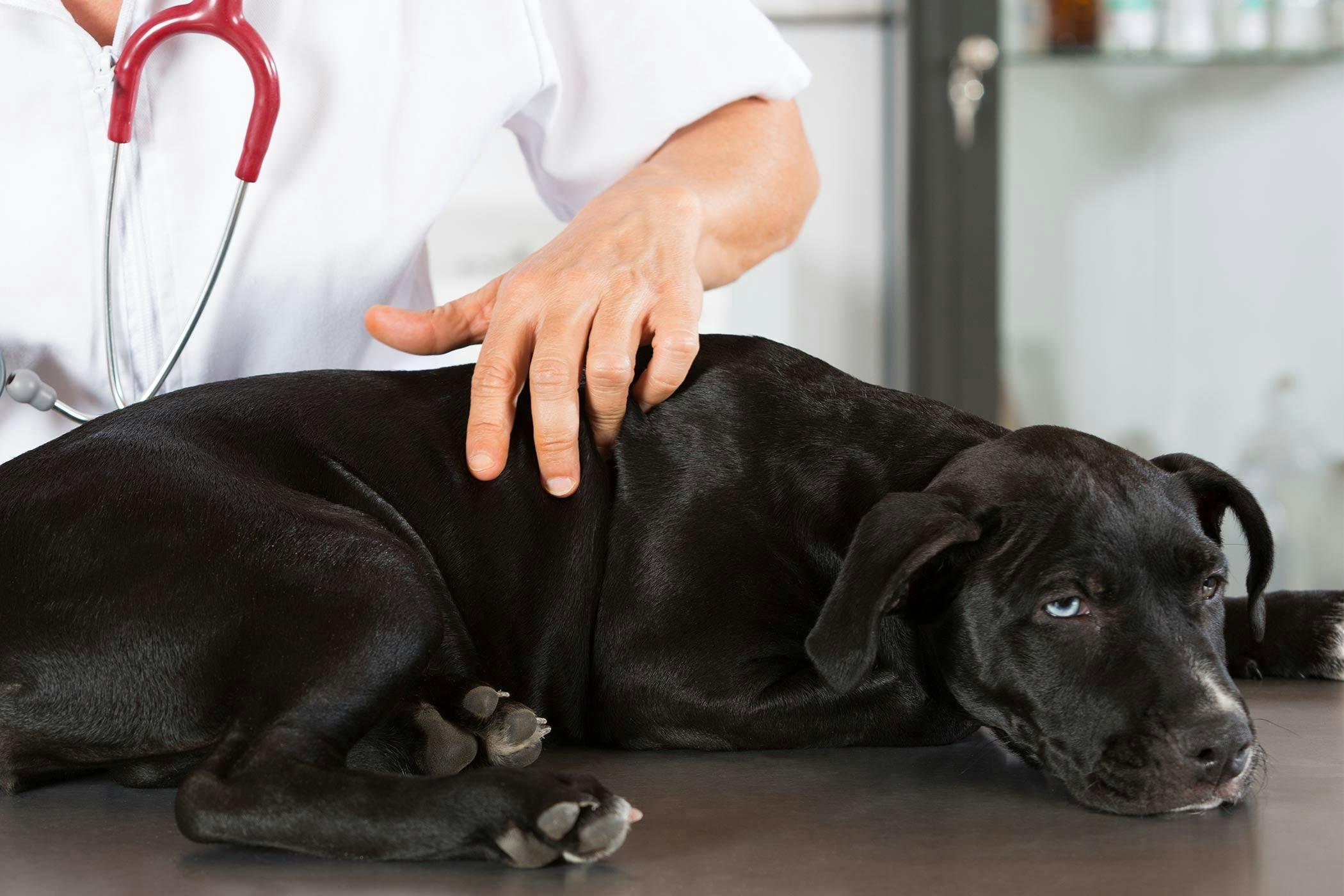
Testicular Tumor (Leydig Cell) in Dogs Symptoms, Causes

Dr. Judy Pet Care Testicular Tumors Can